
Climbing Walls
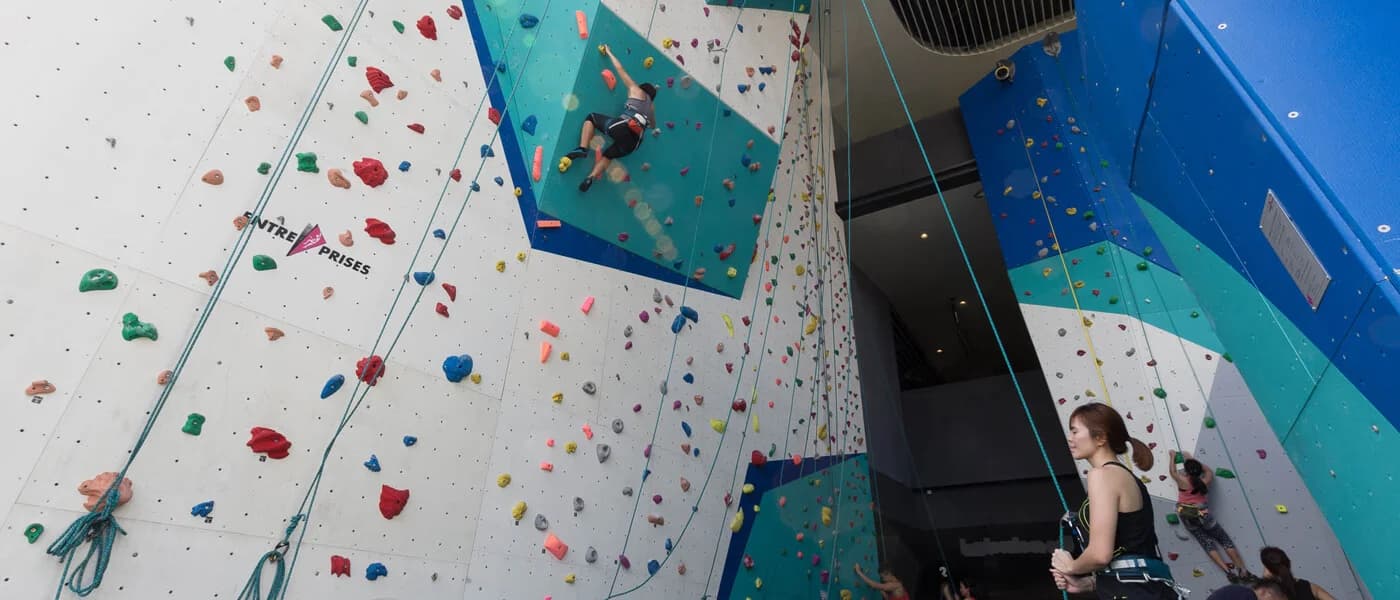
Climbing made its Olympic debut at Tokyo 2020, featuring three disciplines: speed climbing, bouldering and lead climbing. A climbing wall is an artificially constructed wall with grips for hands and feet, usually used for indoor climbing, but sometimes located outdoors. The material used is a thick multiply board with holes drilled into it. The wall has places to attach belay ropes.
How a Climbing Wall Is Built
Each hole contains a specially formed t-nut to allow modular climbing holds to be screwed onto the wall and route setting. Engineered industrial fasteners are used to secure climbing holds. Textured products including concrete, paint and polyurethane mixed with sand cover the face of the surface. The wall may contain surface structures such as indentions (in cuts) and protrusions (bulges), or take the form of an overhang, under hang or crack.
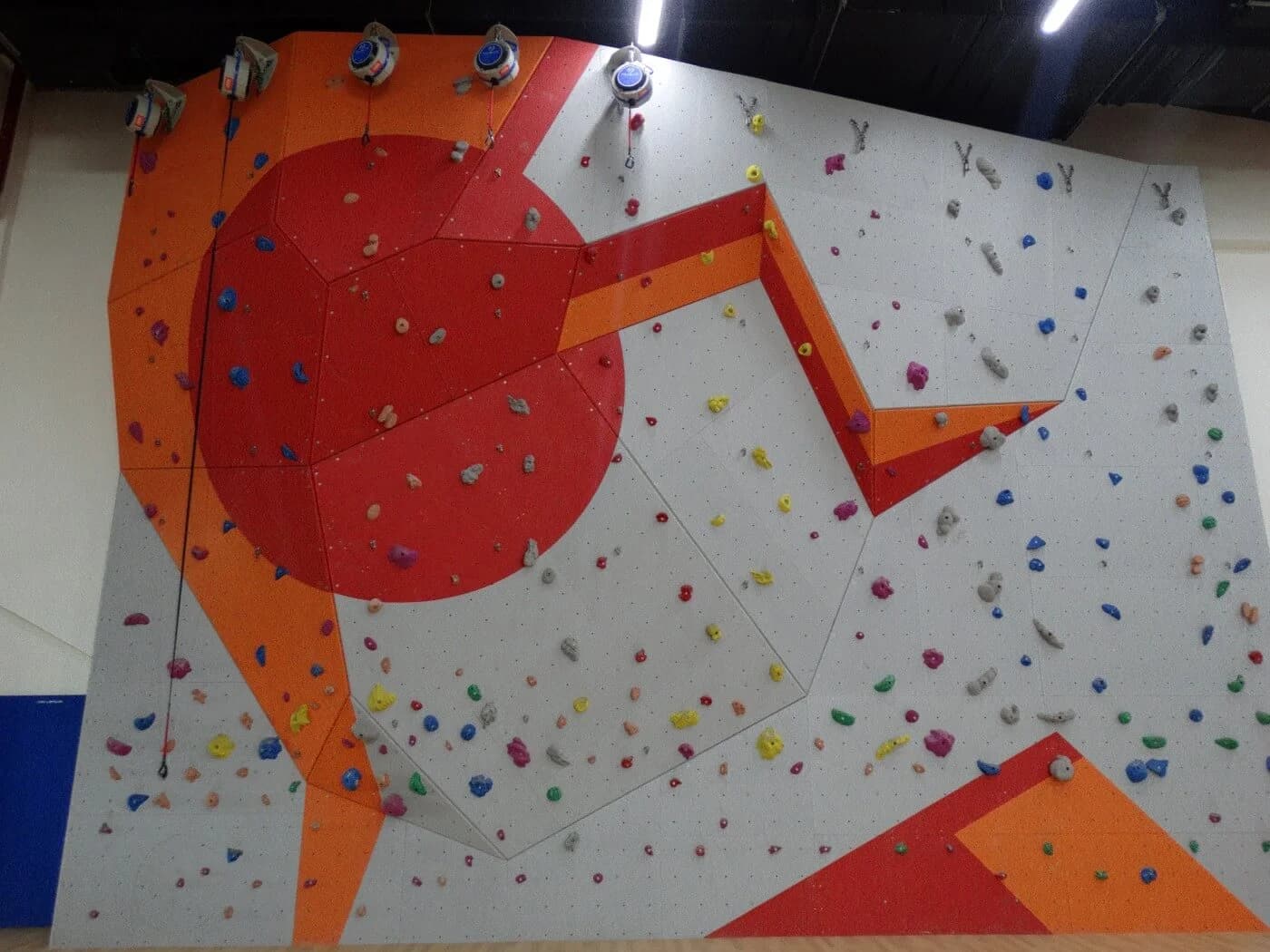
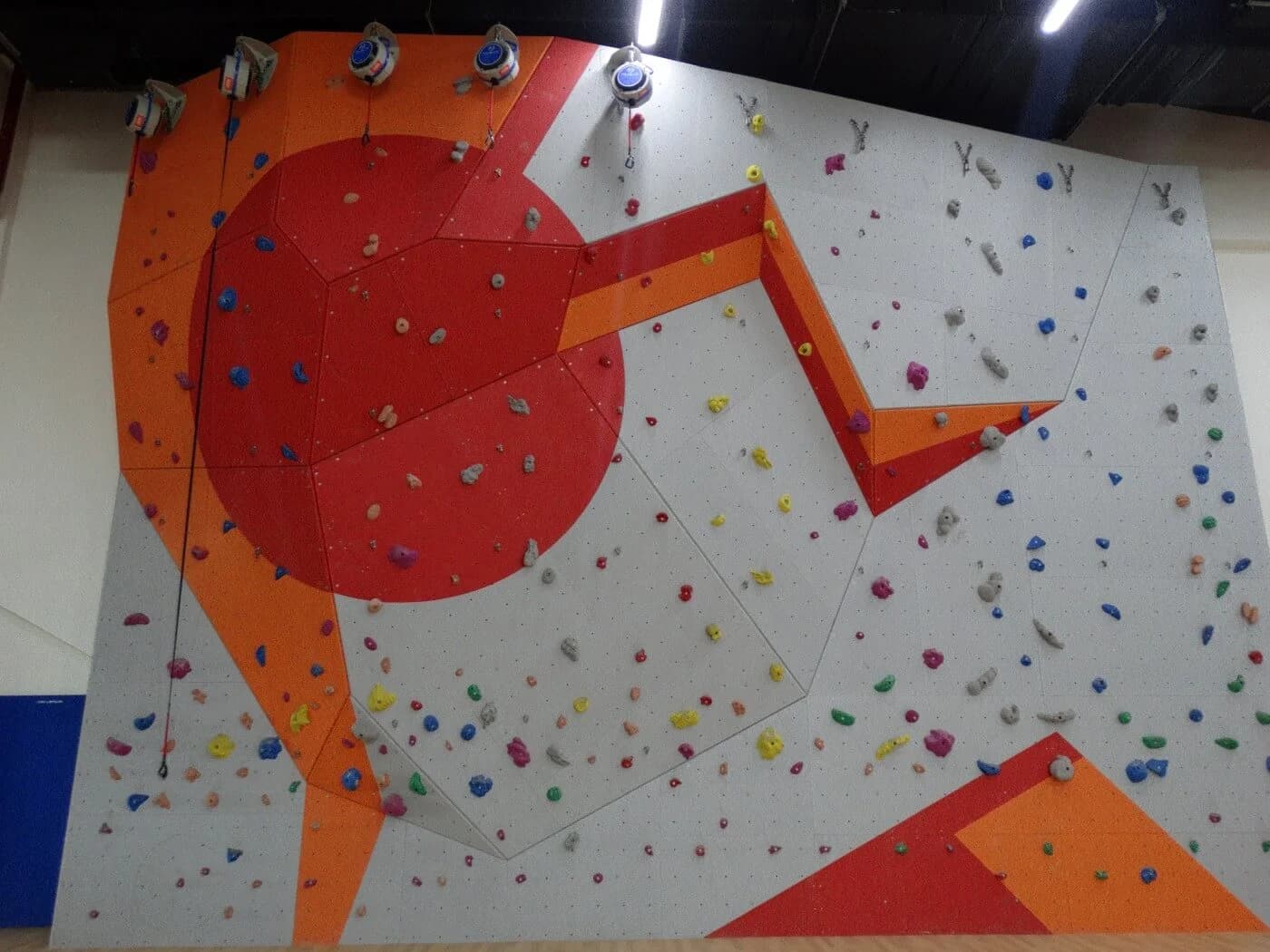
MozaiK wood
The most versatile technology for creating all types of climbing wall designs, with the best texture on the market.
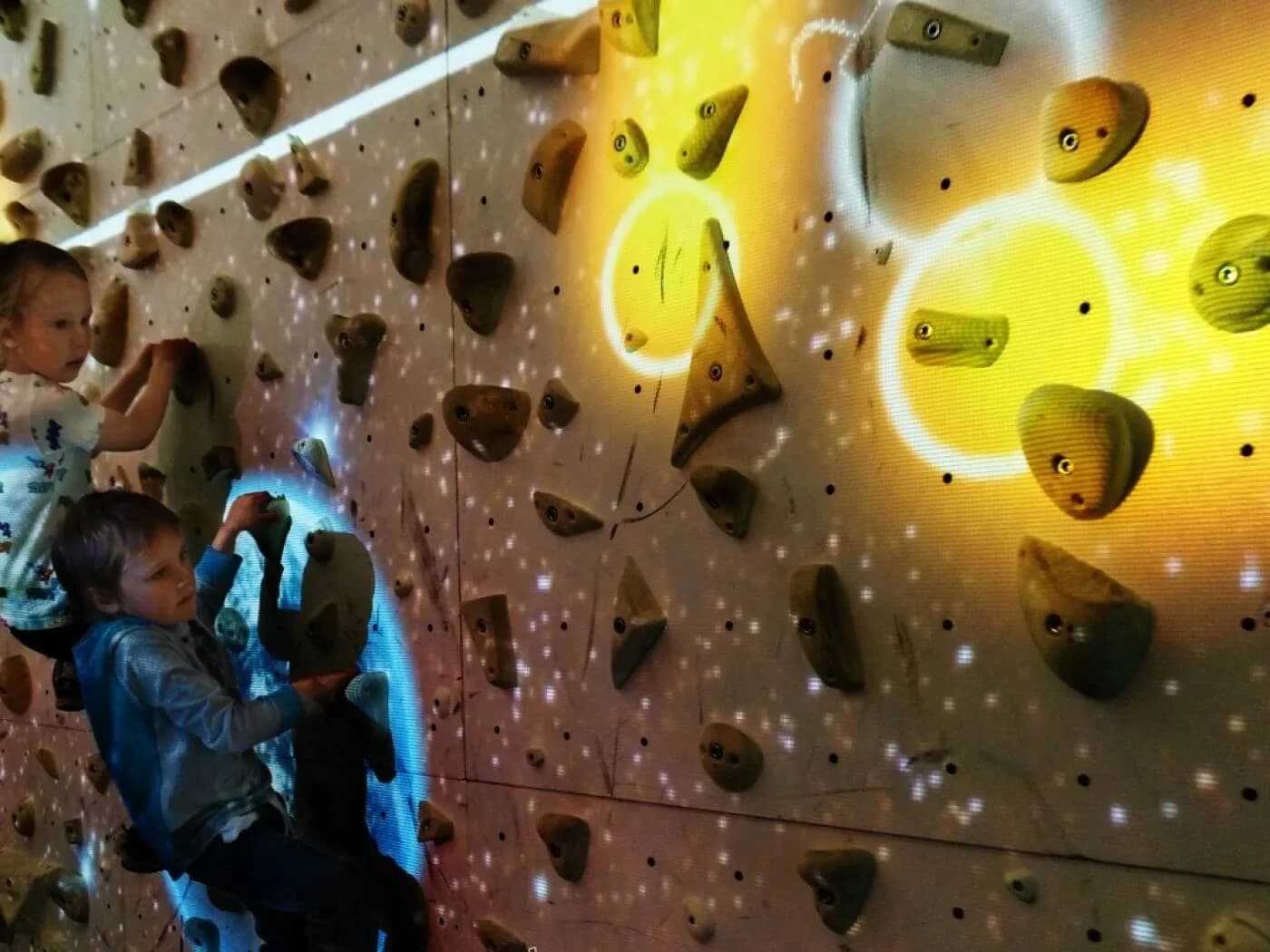
Augmented Climbing Wall
The world’s first interactive game platform for climbing walls.
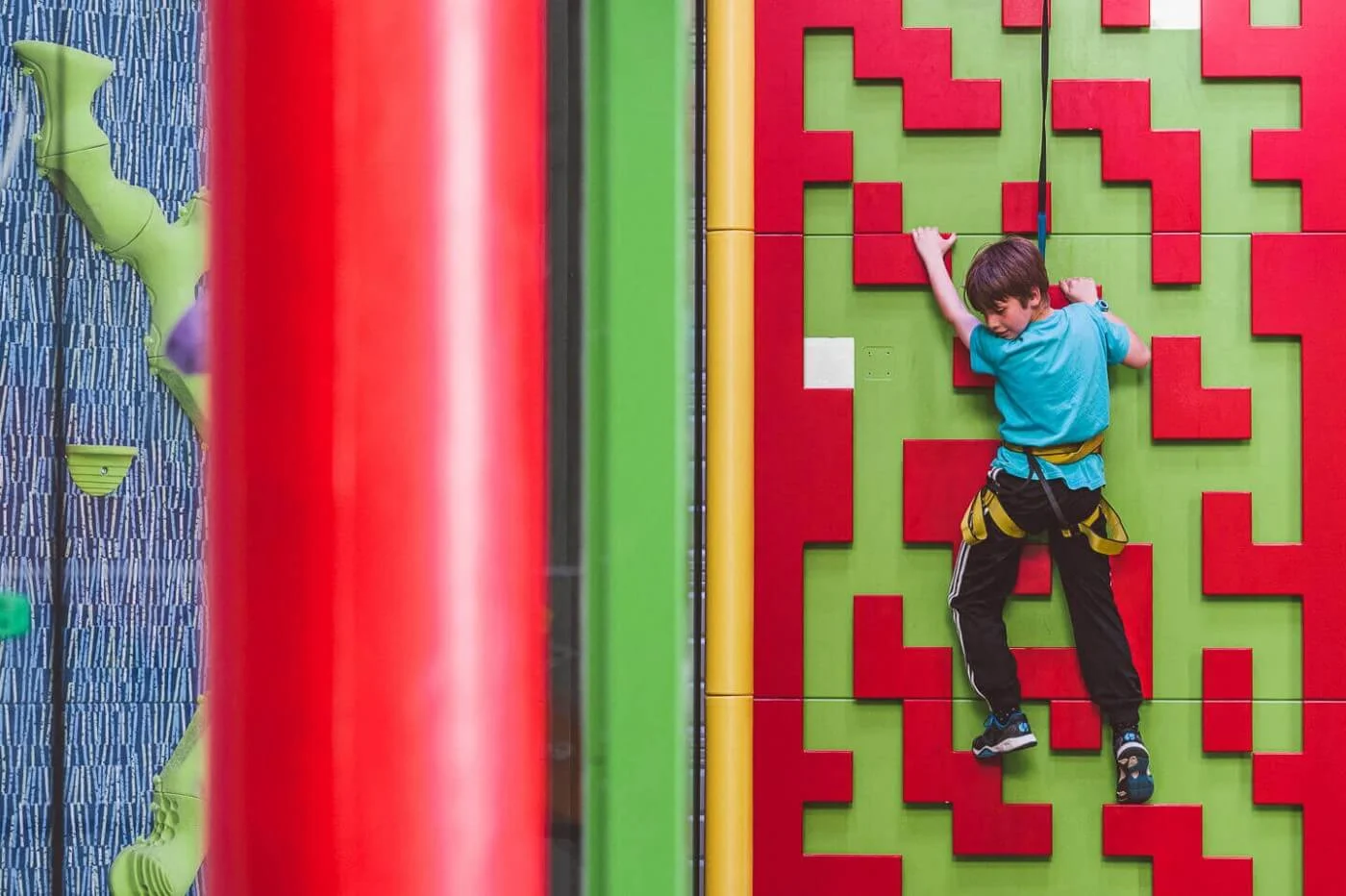
Clip n' Climb
An innovative climbing-based concept for leisure centres and the whole family, with 36 unique challenges.
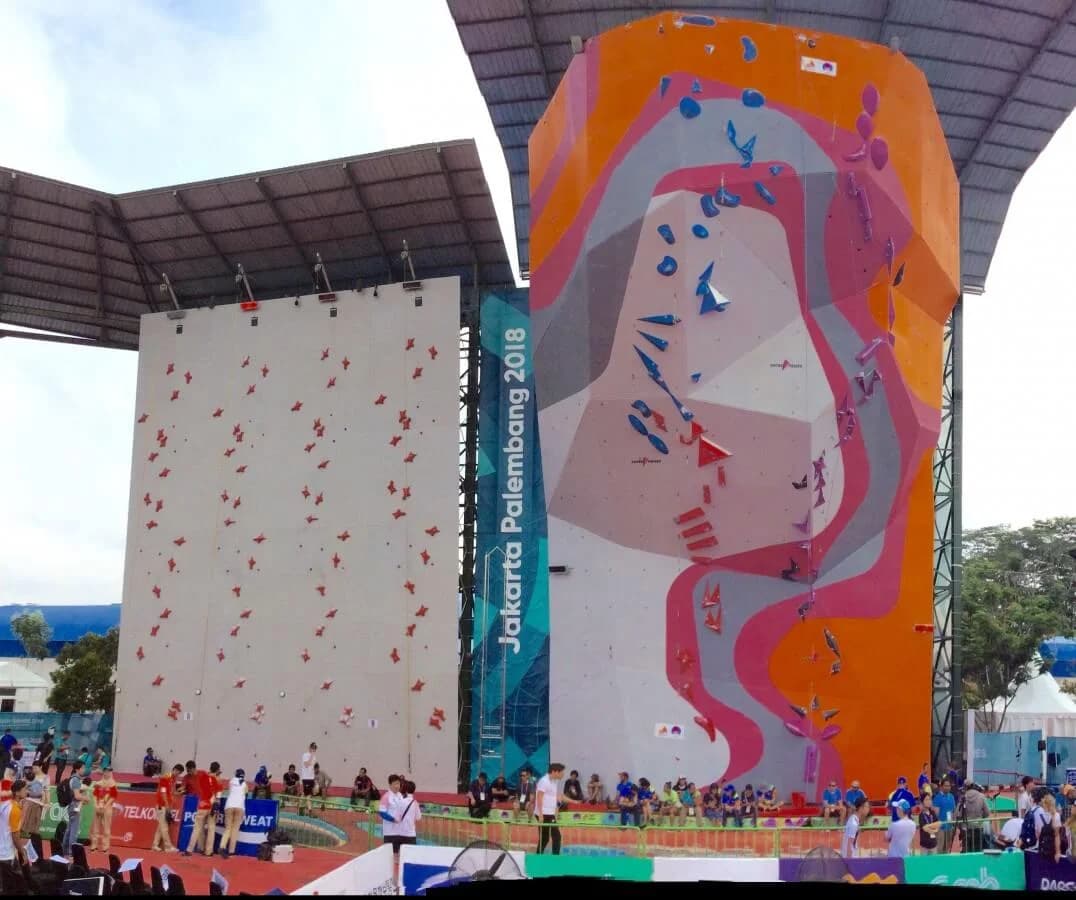
IFSC Speed Walls
Competition speed climbing walls with a height of 15.5 m, where climbers race to reach the top.
Why choose our Climbing Walls?
Lead
For lead climbing or top roping, rising to any height, with ropes and personal protective equipment (PPE).
Boulder
For unroped climbing up to a maximum height of 4.5 m, with safety mats attached below the wall.
Speed
Competition walls with a height of 15.5 m, where agility and speed are the key must-have.
Modular Holds
T-nuts in every hole let modular climbing holds be screwed onto the wall for route setting.
1.Construction
Thick multiply board with holes drilled into it
Each hole contains a specially formed t-nut for modular climbing holds and route setting
Engineered industrial fasteners secure the climbing holds
Places to attach belay ropes
2.Surface
Textured finish of concrete, paint and polyurethane mixed with sand
Surface structures such as indentions (in cuts) and protrusions (bulges)
Can take the form of an overhang, under hang or crack
3.Olympic Disciplines
Lead: designed for lead climbing or top roping and can rise to any height; requires ropes and personal protective equipment (PPE) for the climber’s safety throughout the ascent and descent
Boulder: designed for unroped climbing up to a maximum height of 4.5 m; no ropes or PPE, with safety mats attached below the wall
Speed: most commonly used in competitions, with a height of 15.5 m; climbers race to reach the top at the fastest pace
Spec it for
your venue.
Send us your venue, sport and timeline. Our team will recommend the right build and return a no-obligation estimate within one working day.